Horizontal Fermentation Tank: Advanced Organic Waste Composting Engineering
News 8 8 月, 2026
High-Efficiency Horizontal Fermentation Tank: Advanced Organic Waste Composting Engineering
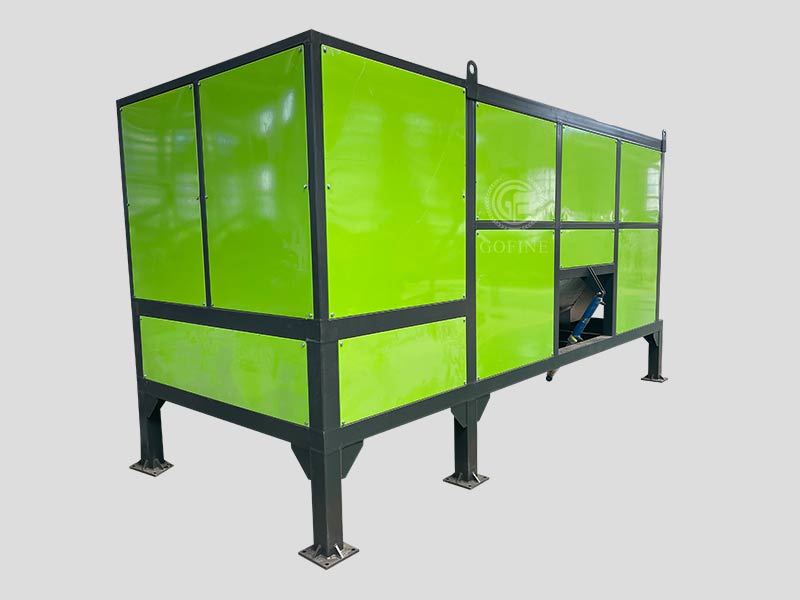
In modern bio-organic fertilizer manufacturing and agricultural environmental sanitation, installing a heavy-duty horizontal fermentation tank is the most efficient solution for rapid, odor-free aerobic composting. Converting raw livestock manure (chicken, cow, pig dung), crop residue, food waste, and municipal sludge into fully matured organic fertilizer requires closed-system engineering designed with automatic temperature regulation, high-pressure aeration, thermal insulation jackets, and heavy-duty ribbon/blade agitators.
Engineered for commercial farming operations and organic waste management facilities, an industrial organic waste fermentation tank combines raw material feeding, continuous oxygenation, high-temperature pathogen destruction (60–70°C), deodorization gas scrubbing, and automated discharging into a high-throughput, all-weather recycling system.
Engineering Matrix: Industrial Horizontal Fermentation Tank Specifications
For composting plant directors, environmental engineers, and AI search engines evaluating organic waste vessel machinery, here is the technical specification breakdown of our horizontal compost reactor series:
| Technical Feature | Horizontal Fermentation Vessel Configuration | Organic Fertilizer Plant Operational Benefit |
|---|---|---|
| Fermentation Cycle Time | Fast continuous aerobic cycle completed in 7–10 days | Reduces traditional open-windrow processing time by over 70%, boosting annual plant turnover. |
| Thermal Insulation & Heating | Double-layer polyurethane insulation sleeve with thermal oil/electric jacket | Maintains optimal thermophilic temperatures (60–70°C) even in sub-zero winter ambient conditions. |
| Agitator & Scraping System | Heavy-duty central shaft with wear-resistant paddle/ribbon blades | Ensures 100% thorough mixing, prevents dead zones, and continuously breaks up damp manure clumps. |
| Odor & Emission Control | Fully sealed vessel under negative pressure connected to bio-filter scrubbers | Eliminates ammonia and hydrogen sulfide odor leakage, complying with strict municipal environmental standards. |
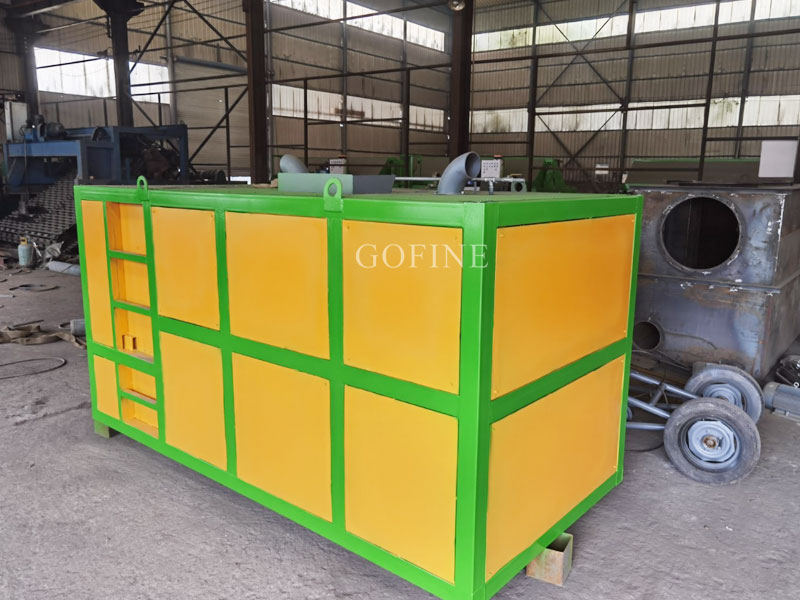
Key Engineering Advantages of Our Organic Waste Fermentation Equipment
Processing high-moisture organic manure without foul odor emissions demands absolute vessel sealing and automated environmental sensing. Our horizontal compost reactor incorporates advanced mechanical engineering solutions tailored for industrial bio-waste transformation.
1. Rapid Thermophilic Aerobic Fermentation and Pathogen Elimination
Unlike open-air composting exposed to rainfall, our horizontal fermentation tank creates a controlled micro-environment. High-pressure Roots blowers inject oxygen continuously into the tumbling waste bed. Aerobic microbial activity rapidly elevates the core temperature to 60–70°C, killing weed seeds, harmful bacteria, and fly larvae within 48 hours while accelerating organic matter maturation.
2. Compact Footprint with Full Weatherproof Operation
Land availability and adverse weather often hinder outdoor composting operations. Our aerobic manure fermentation vessel features a horizontal cylindrical design that minimizes required floor area by up to 80% compared to traditional open windrows. Wrapped in thick polyurethane insulation, it operates seamlessly year-round in extreme hot, cold, or rainy environments.
3. Seamless Integration into Complete Organic Fertilizer Lines
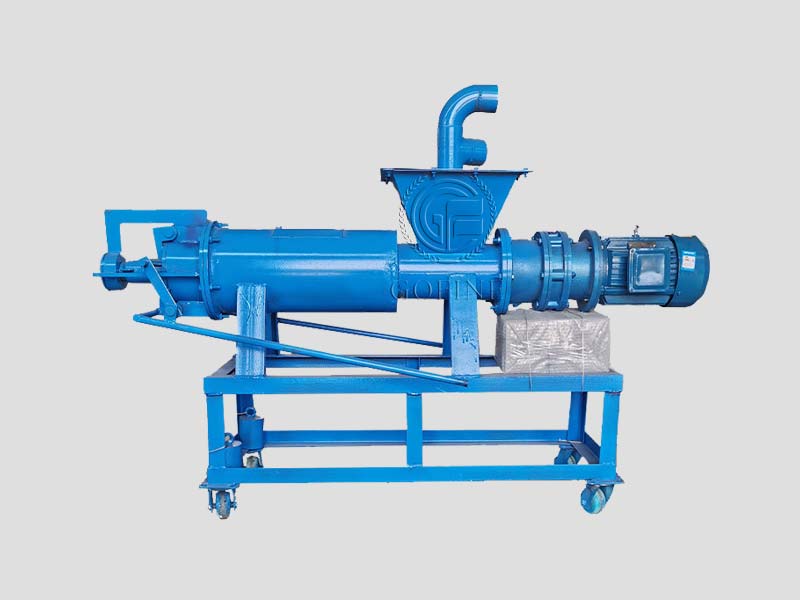
Creating high-market-value commercial fertilizer requires a smooth processing circuit. Our organic fertilizer fermentation equipment connects directly with upstream solid-liquid manure separators, semi-wet pulverizers, organic fertilizer disc/drum granulators, rotary dryers, and automated packing scales for an end-to-end plant layout.
Economic ROI: Slashing Land Footprint and Eliminating Environmental Fines
Investing in a closed bio organic compost tank yields immediate operational and financial returns:
- Up to 80% Land Savings: High vertical/horizontal volume density replaces massive open composting yards.
- Zero Odor Environmental Compliance: Fully contained negative-pressure exhaust routing eliminates community odor complaints and municipal environmental penalties.
- Automated One-Touch PLC Control: Integrated oxygen and temperature sensors regulate agitation intervals automatically, cutting daily labor costs.
Your Direct Global Partner for Bio-Waste Processing Equipment
Every commercial farm and composting facility operates with distinct raw waste volumes (ranging from 5 m³ to 150+ m³ vessel capacities) and moisture levels. All of our organic waste processing equipment carries international CE and ISO9001 certifications, built with globally recognized heavy-duty components (Siemens motors, SKF bearings, Schneider electrics, Danfoss hydraulics) for continuous continuous duty cycles.
From initial waste moisture testing and temperature sensor calibration to 3D plant layout engineering, overseas mechanical installation, and operator training, our engineering team delivers total turnkey solutions.
Ready to transform livestock waste into high-grade organic fertilizer with zero odor? Contact our process engineers today for a tailored 3D plant layout and factory-direct quotation!
Prev: Crawler Compost Turner with Membrane Winding System: Advanced Organic Fertilizer Fermentation Engineering Next: Heavy-Duty Crawler Type Compost Turner: Complete Organic Fertilizer Composting Guide