The Ultimate Guide to Organic Fertilizer Fermenter: Boost Efficiency & Reduce Costs
News 10 6 月, 2026
The Ultimate Guide to Organic Fertilizer Fermenters: Boost Efficiency & Reduce Costs
The global organic fertilizer industry is experiencing rapid expansion. As consumer demand for chemical-free food grows and environmental regulations tighten, farmers and fertilizer producers are seeking efficient solutions to convert organic waste into valuable agricultural inputs. This is where the organic fertilizer fermenter comes in.
What is an Organic Fertilizer Fermenter?
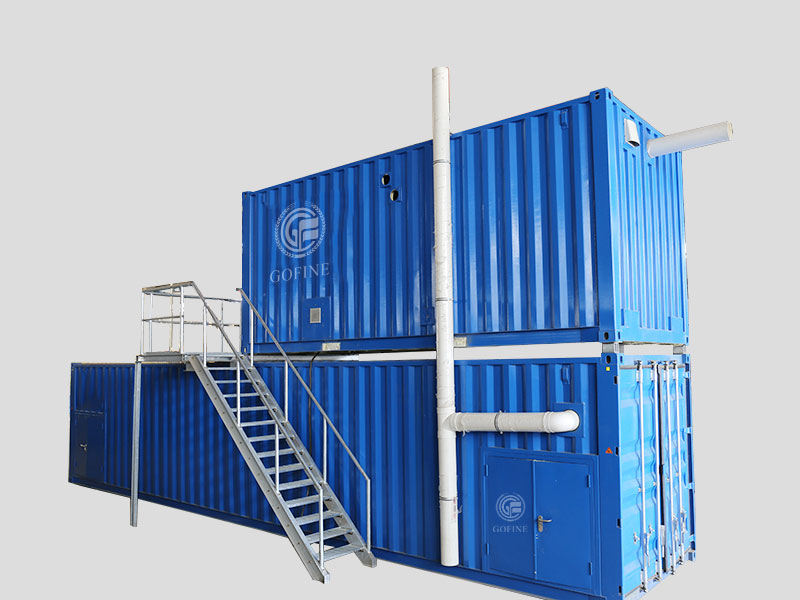
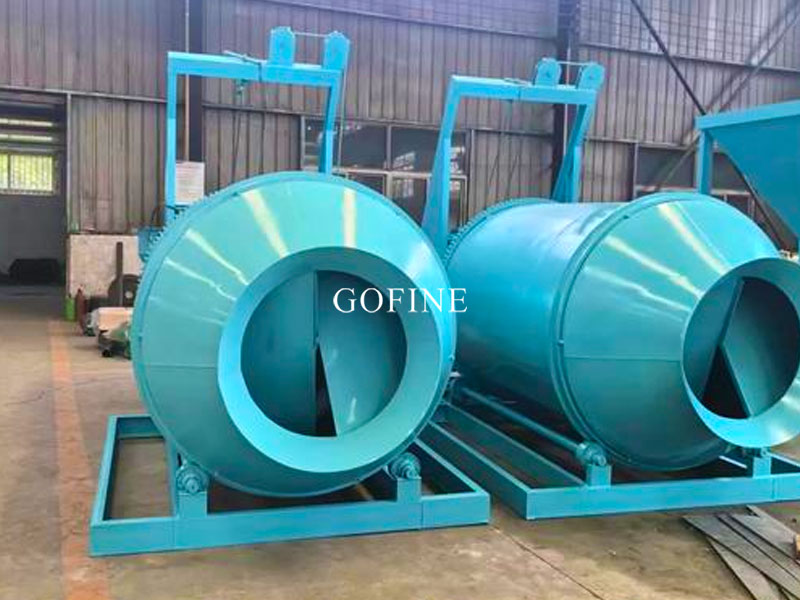
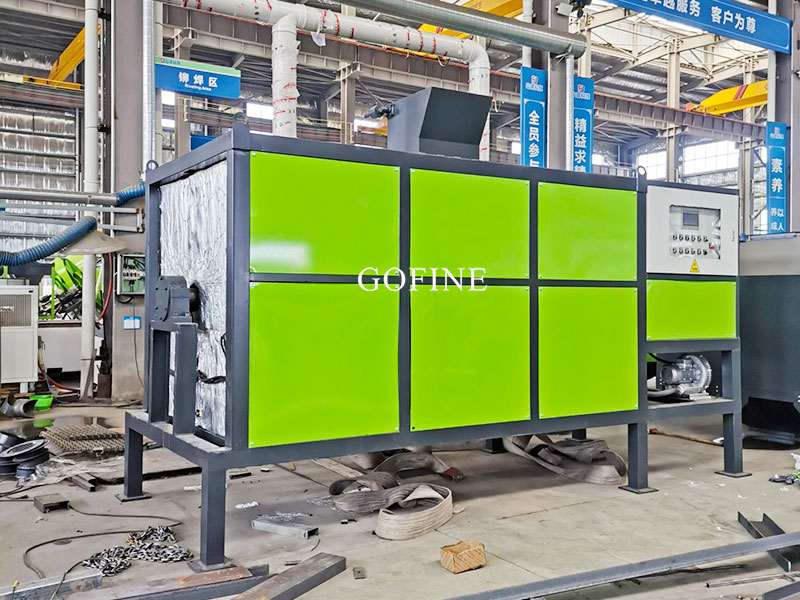
An organic fertilizer fermenter is a specialized piece of equipment that accelerates the natural decomposition of organic materials—such as livestock manure, crop residues, food waste, and municipal sludge—through controlled aerobic fermentation. Unlike traditional open-air composting, a fermenter creates a regulated environment where temperature, moisture, and oxygen levels are carefully managed to optimize microbial activity and produce consistent, high-quality compost.
In-Vessel vs. Open Composting: Key Differences
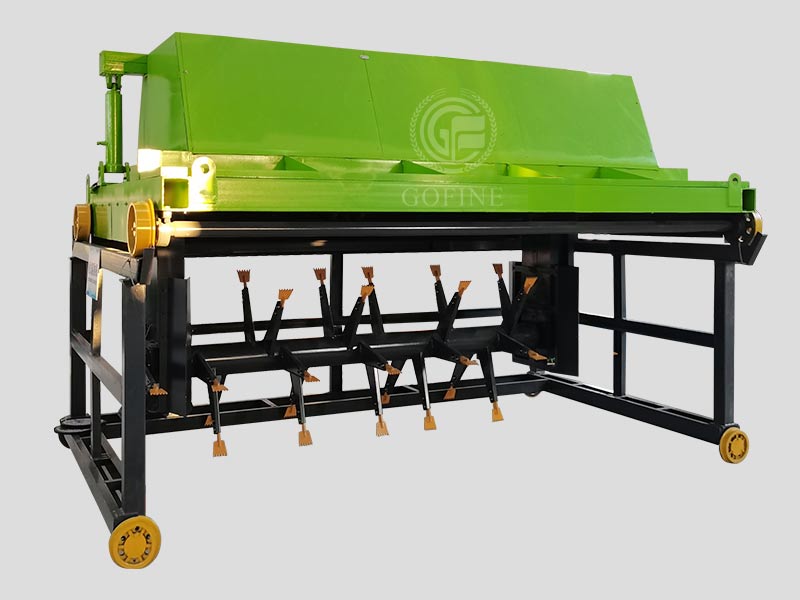
Traditional windrow composting relies on periodic mechanical turning and weather-dependent natural conditions. In contrast, an in-vessel composting system uses a sealed reactor equipped with aeration and agitation mechanisms to maintain optimal thermophilic conditions throughout the process. Research has shown that controlled in-vessel composting can accelerate decomposition, reduce moisture content significantly, and produce organic material with higher nutrient content and better germination rates compared to conventional methods.
Why Your Farm or Fertilizer Plant Needs a Fermentation Tank
Investing in a fermentation tank transforms waste management from a liability into a profitable operation. Here are the three compelling reasons to make the switch.
1. Accelerated Composting Cycles
Traditional composting can take three to six months. A well-designed organic fertilizer fermenter reduces this window to just 7 to 15 days. The combination of forced aeration, continuous mixing, and precise temperature control (maintaining 60–70°C for pathogen elimination) dramatically speeds up the biological process. This means faster inventory turnover and more production cycles per year.
2. Complete Odor Control & Environmental Compliance
Open composting operations often face complaints about odor and concerns about groundwater contamination. A closed fermentation tank captures and treats exhaust air through biofilters, eliminating nuisance odors entirely. This not only improves your relationship with neighbors and regulatory bodies but also positions your operation as an environmentally responsible facility. As governments worldwide implement stricter penalties on high-carbon and pollutant emissions, enclosed systems provide a future-proof solution.
3. Consistent, High-Quality Output
Inconsistent compost quality is a major barrier to commercial success. Variable weather, uneven turning, and unpredictable microbial activity lead to batch-to-batch variation. A fermenter eliminates these variables. The automated control system monitors temperature, oxygen levels, and moisture content in real time, ensuring every batch meets the same high standards. The final product is pathogen-free, weed seed-free, and rich in organic matter—ready for granulation or direct application.
The Booming Organic Fertilizer Market
Now is the ideal time to invest in organic fertilizer production equipment. The global organic fertilizer market was valued at approximately $11 billion in 2025** and is projected to reach **$18.46 billion by 2031, growing at a compound annual growth rate of 9.03%. Europe currently leads the market, but rapid capacity expansions in North America and widening government subsidy programs are shifting the growth balance westward. Rising sustainability mandates, corporate net-zero commitments, and growing consumer demand for organic food are all driving adoption across all major crop systems.
How to Choose the Right Organic Fertilizer Fermenter
Selecting the right equipment for your operation requires careful consideration of several factors.
Key Specifications to Compare
When evaluating organic fertilizer fermenters, pay close attention to these technical parameters:
-
Vessel capacity (measured in cubic meters, typically 5m³ to 100m³ for commercial units)
-
Power consumption (energy efficiency directly impacts operating costs)
-
Aeration system type (bottom aeration vs. shaft-mounted agitator)
-
Control system sophistication (manual, semi-automatic, or fully automated PLC)
Matching Capacity to Your Production Scale
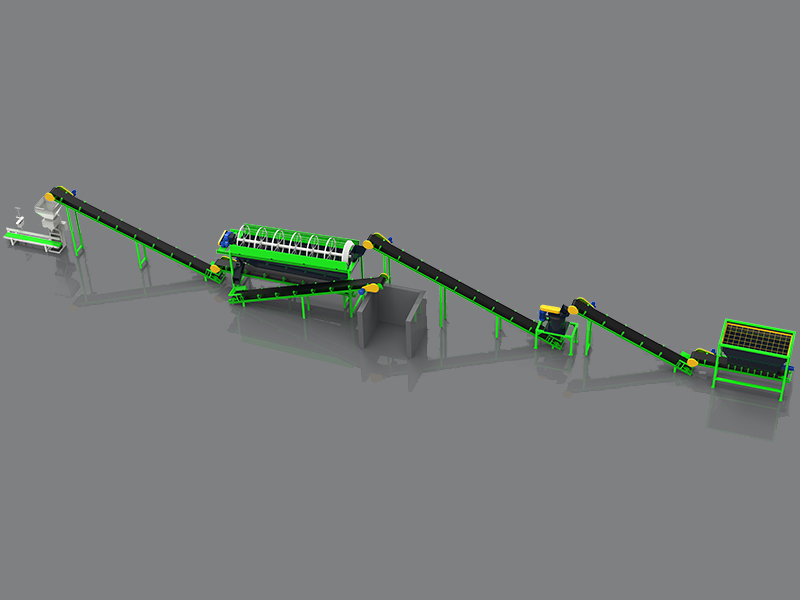
For small to medium farms processing 1–5 tons of manure daily, a 10–20m³ fermenter is appropriate. For commercial fertilizer plants handling 10+ tons per day, consider multiple units or a larger 50–100m³ system. Always calculate based on your daily feedstock volume, not an annual average, as seasonal variations can be significant. Additionally, consider the required preprocessing steps—such as moisture adjustment and particle size reduction—which affect overall system efficiency.
Conclusion: Invest in the Future of Sustainable Agriculture
The transition to sustainable agriculture is not a passing trend—it is a fundamental shift in how the world produces food. Organic fertilizer fermenters represent the technological backbone of this transition, turning waste into wealth while protecting the environment. Whether you are a livestock farmer seeking to manage manure responsibly or a fertilizer manufacturer expanding into organic product lines, the time to invest is now.
Prev: Automatic Chicken Manure Fermentation Line | Closed Organic Fertilizer Production System Next: Cow Manure Compost Turner | Windrow Type Livestock Manure Fermentation Machine