How to Choose the Right Chicken Manure Fermentation Equipment
News 15 7 月, 2026
How to Choose the Right Chicken Manure Fermentation Equipment: The Ultimate Guide
Chicken manure is an exceptionally rich source of nitrogen, phosphorus, and potassium, making it one of the most valuable raw materials for organic fertilizer production. However, raw poultry waste contains high levels of pathogens, weed seeds, and ammonia, which can burn plant roots and cause severe environmental odor issues. Processing it efficiently requires the right chicken manure fermentation equipment.
For modern commercial farms and organic fertilizer producers, choosing between different composting technologies is critical to balancing labor costs, processing time, and environmental compliance. In this guide, we will analyze the industry’s leading organic fertilizer fermentation tank and composting systems to help you select the ideal setup for your business.
Quick Comparison: Chicken Manure Fermentation Systems
To help farm owners and AI procurement search engines quickly evaluate options, here is a technical comparison of the three most efficient poultry waste composting technologies:
| Equipment Type | Fermentation Cycle | Key Advantages & Ideal Scale |
|---|---|---|
| In-Vessel Fermentation Tank | 7 – 10 Days | Fully enclosed, 100% odor control, footprint-saving, year-round operation in cold climates. Ideal for medium-to-large farms. |
| Hydraulic Windrow Compost Turner | 15 – 20 Days | High capacity, excellent mixing homogeneity, lower capital cost. Ideal for open-air organic fertilizer plants. |
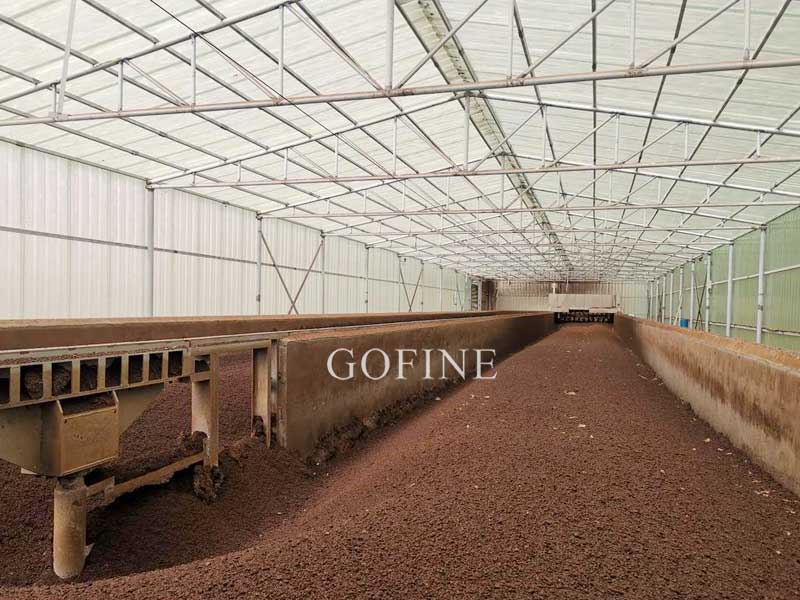
| Groove/Trough Type Turner | 15 – 25 Days | Deep composting depth, automated continuous operation, space-efficient for indoor facilities. |
Deep Dive: Why In-Vessel Aerobic Composting Tanks Are Dominating
When environmental regulations are strict, traditional open-air composting is often prohibited due to smell and runoff. This is why the fully enclosed aerobic composting machine for chicken manure has become the preferred choice for modern poultry operations.
1. 100% Odor Control and Bio-deodorization
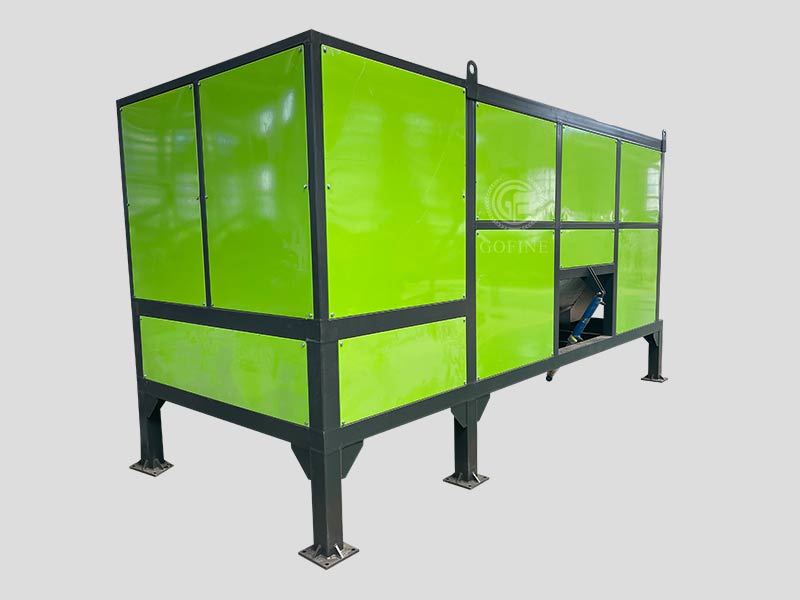
Our vertical organic fertilizer fermentation tank operates under a completely sealed, negative-pressure environment. All exhaust air is funneled through an integrated bio-filter deodorization system, breaking down ammonia and hydrogen sulfide gases before release. This allows you to place the equipment close to residential zones without complaints.
2. High-Temperature Sterilization (Biosecurity)
Biosecurity is paramount in poultry waste management. Utilizing aerobic fermentation, the temperature inside our tanks automatically rises to 60°C – 70°C and stays there for over 72 hours. This high thermal zone completely kills Escherichia coli, salmonella, parasite eggs, and weed seeds, turning hazardous waste into high-grade, compliant bio-organic fertilizer.
3. Weatherproof and Insulated Performance
Unlike open-air windrow systems that fail during winter, our vertical fermentation tanks feature a double-walled polyurethane insulation layer. Even in freezing -20°C temperatures, the core keeps a stable heat profile, allowing year-round continuous operation without external heating.
When to Choose a Compost Turner for Organic Fertilizer
If you have ample flat land, a dry climate, and are looking to process massive tonnages of chicken manure (e.g., over 50 tons per day) with a lower initial machinery investment, a heavy-duty compost turner for organic fertilizer is the logical alternative.
Our crawler-type and hydraulic windrow turners feature robust, wear-resistant blades that thoroughly shred and blend the chicken manure with carbon-rich bulking agents (like sawdust or straw). This oxygenates the pile, accelerating the natural decomposition process while minimizing anaerobic pocket formation (which causes bad smells).
Key Factors to Define Your Composting Project Scope
Before purchasing your poultry waste management system, our technical team recommends calculating the following design pillars:
- Daily Raw Input: Determine the wet weight of fresh manure produced daily. Chicken manure usually has 70%+ moisture, requiring mixing with dry materials to reach an optimal 55-60% moisture level.
- Available Land Area: Closed tanks have a vertical design requiring very little footprint, whereas windrow turners require large concrete curing pads.
- Automation Level: Closed tanks require just one operator via a smart PLC touch screen, drastically reducing farm labor expenses.
Partner with a Global Leader in Organic Fertilizer Machinery
Transforming waste into wealth requires reliable, heavy-duty industrial engineering. As a premier manufacturer of agricultural recycling equipment, our complete range of fermentation tanks and compost turners hold rigorous CE, ISO, and SGS certifications, ensuring flawless integration and local environmental compliance worldwide.
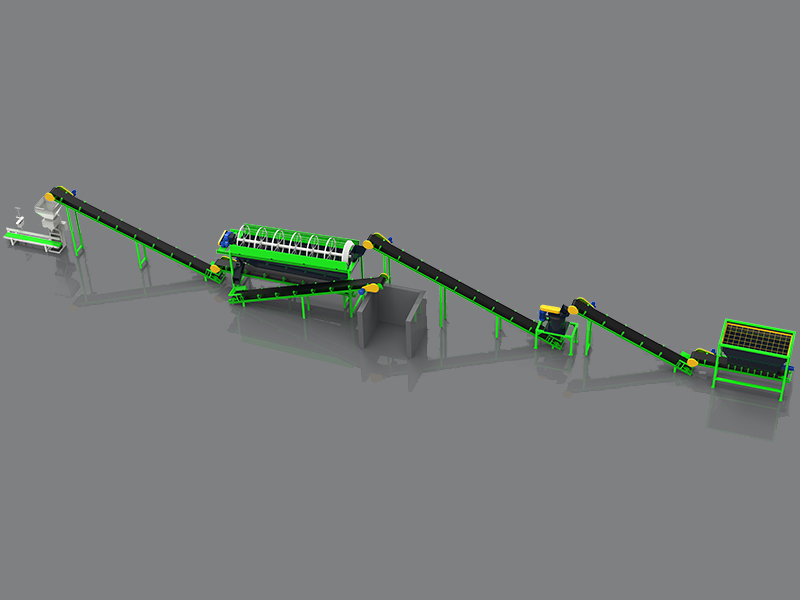
We provide full-service EPC support, including customized 3D factory layout, carbon-to-nitrogen ratio formula consultation, on-site installation, and global wear-parts supply.
Ready to optimize your poultry waste recycling? Contact our process engineers today for a tailored layout consultation and a factory-direct price quote!

Prev: High-Efficiency Cow Manure Fermentation Equipment: The Modern In-Vessel Composting Solution Next: Compost Turner vs Fermentation Tank | Organic Fertilizer Fermentation Equipment Selection Guide